
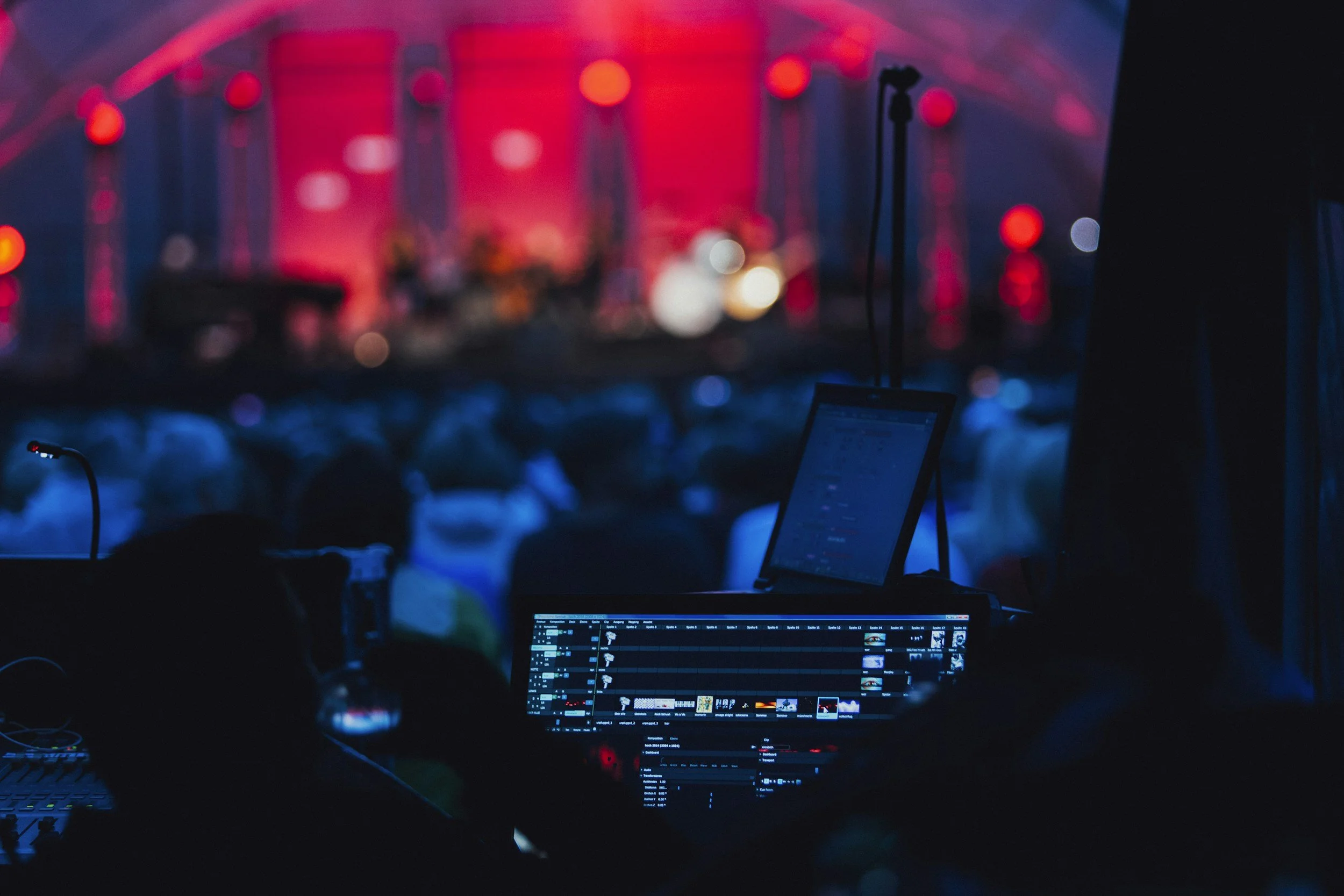
What Makes a Live Event Successful on Video (Beyond Just Going Live)
When planning a live event, most teams focus on what happens in the room: attendance, logistics, speakers, performers, and schedules. If the room feels full and the event runs smoothly, it’s easy to call it a success. But when video is involved—whether livestreaming, recording, or both—success goes far beyond what happens in the moment.
A truly successful live event on video creates impact during the event, immediately after, and long into the future. Here are three questions that help determine whether your event video truly did its job.
Did the Online Audience Feel Included?
One of the most common misconceptions about livestreaming is that simply “being live” is enough.
Quality Is Everything For The Online Viewer….Think In Terms Of Value-Add
If audio is difficult to hear, cameras feel distant, or the stream cuts out, remote attendees disengage quickly—even if the in-room experience is excellent.
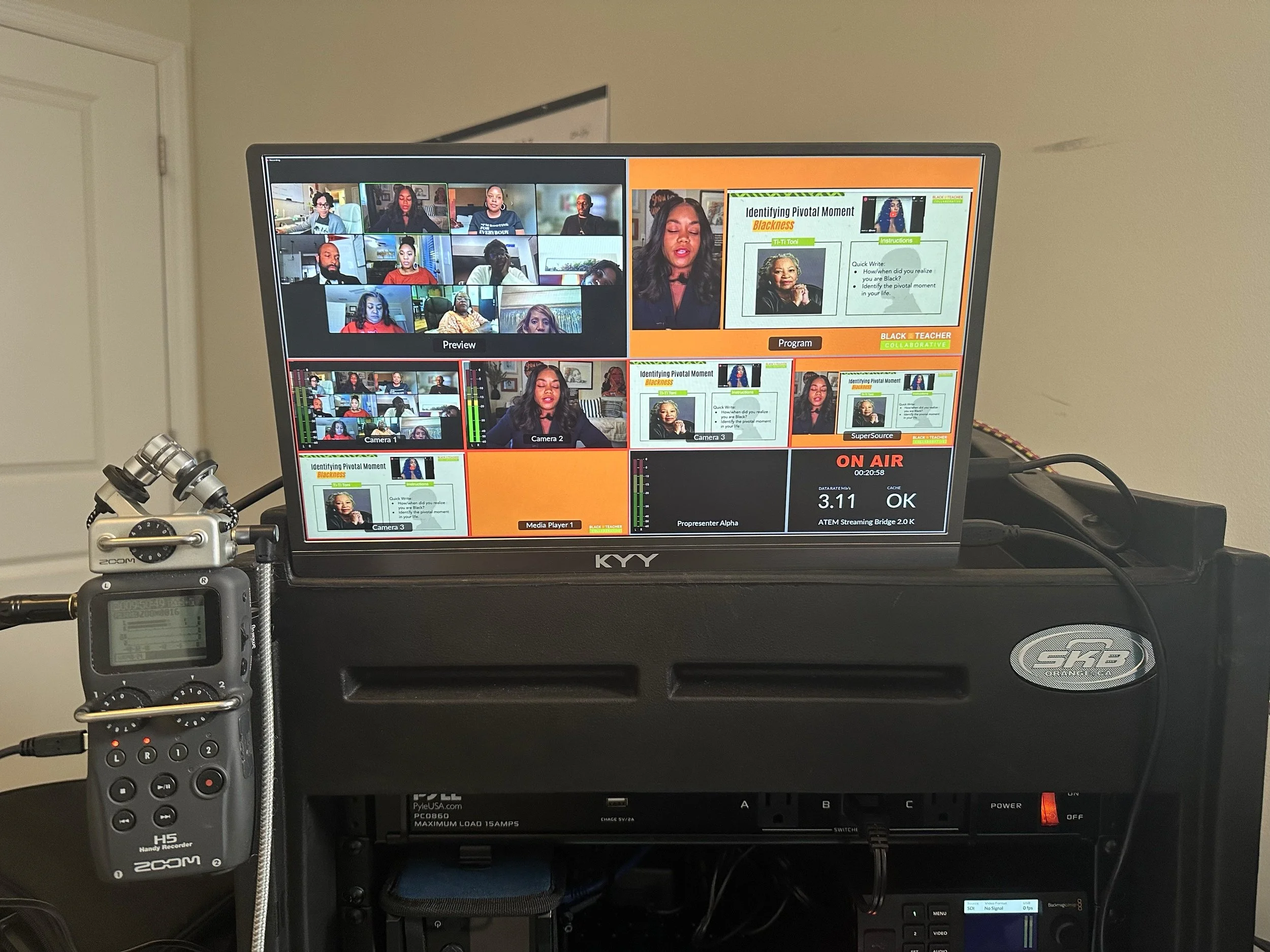
In reality, online viewers have a very different experience than those in the room. They rely entirely on:
Clear audio
Intentional camera framing
Smooth transitions
Consistent lighting
A stable, uninterrupted feed
This matters whether your audience includes:
Church members joining remotely
Supporters watching a nonprofit fundraiser
Employees attending a company-wide meeting
Fans tuning in to a game or competition
A successful event video makes the online audience feel like they’re part of the experience, not just observing it from the outside.

Was the Content Captured as a Long-Term Asset?
Live events are fleeting—but video doesn’t have to be.
One of the biggest missed opportunities we see is when an event is filmed only for the sake of “having a recording,” without considering how that footage can be used afterward.
The difference comes down to planning.
Camera placement, shot selection, audio routing, and recording formats all impact whether footage is usable beyond the live moment. A recording that looks fine live may fall short when repurposed later if these elements aren’t considered in advance.
When captured intentionally, a single event can become:
Highlight or recap videos
Social media clips
Training or educational content
Promotional material for future events
Archived resources for members, staff, or stakeholders
Successful event video starts with asking:
“How will we use this content after the event is over?”
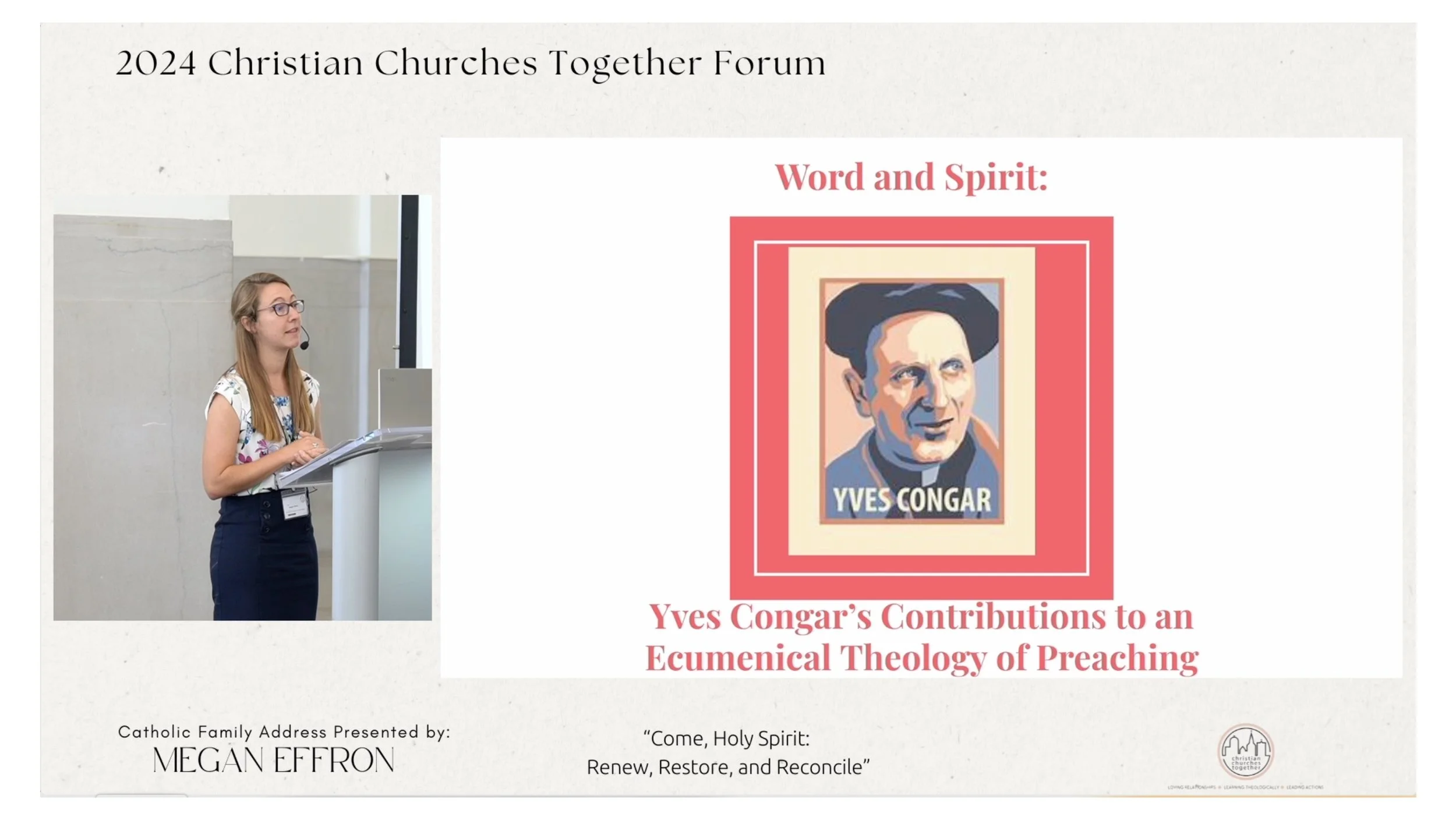

Did the Production Partner Reduce Stress for Your Team?
One of the most overlooked indicators of success has nothing to do with video quality—and everything to do with experience.
When production is handled well.
Your team can stay focused on what truly matters: serving people, delivering content, and creating meaningful experiences.

Live events are already high-pressure environments. When production is added without proper planning or support, that pressure increases for:
Staff members
Volunteers
Leadership teams
Coaches or organizers
Professional live event production isn’t just about equipment—it’s about confidence and peace of mind.
That includes:
Clear pre-event planning
Defined roles and responsibilities
Backup audio and recording options
Redundant systems where needed
A crew that knows how to adapt in real time

Success Happens Before the Event Ever Starts.
The most successful live event videos are rarely the result of last-minute decisions.
They come from:
Early conversations
Clear goals
Intentional planning
The right level of production support
Whether you’re planning a worship service, fundraiser, corporate meeting, conference, or sporting event, video should support your mission—not complicate it.
A Simple Checklist for Your Next Event
As you prepare for your next live event, consider asking:
Who is this video for—live, remote, or both?
How will this content be used after the event?
What would cause stress or failure if something went wrong?
Do we have the right support to execute confidently?
If the answers aren’t clear yet, that’s usually the best time to start the conversation.
Conclusion
A successful live event doesn’t end when the room clears.
With the right approach, it continues to serve your organization long after the final moment.
If you’re planning an upcoming event and want help thinking through video, livestreaming, or A/V support, we’re always happy to offer guidance—whether we work together or not.
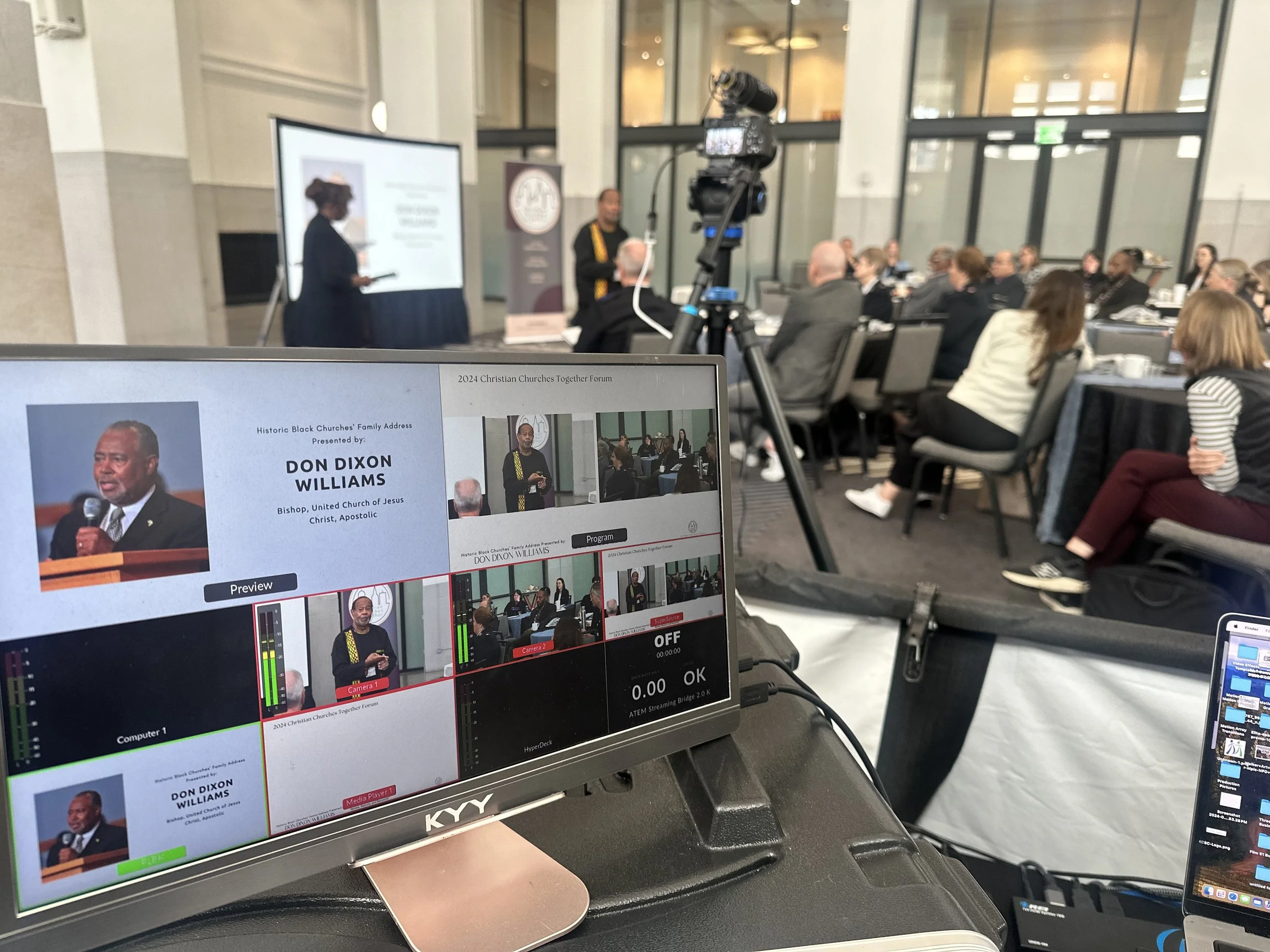
Contact Us For Your Next Event Production
SERVICE REQUEST INFORMATION
We recommend booking live event coverage at least 90 days in advance to secure the best pricing and availability.
Full service is required for each event. (Delivery, Setup & Tech Onsite)
Minimum order requirement is $500.
Discounts are only valid for contracts that are signed and 50% deposits have been received at least 90 days before the first event date.
Short notice events (less than 2 weeks) will incur a rush fee to cover expedited planning, staffing, and logistics and full payment will be required up front as it's too late for a deposit.
Urgent events (less than 72 hour notice) require immediate full payment and will incur an additional fee that is paid directly to our employees and freelancers for making accommodations in their schedule to pull it off.
We’d Love To Hear From You
Drop a comment below and let us know what your opinion or insight about this article is. We will not display your email address. All comments will be reviewed.